Ruian Jundingda Machinery Co., Ltd.
News

Which Hot Melt Edge Banding Machine Features Ensure Consistent Edge Finishing?

2026-11-11 0 Leave me a message
INDUSTRIAL MACHINERY GUIDE

Article Summary

A professional edge finishing process is essential for producing attractive, durable, and reliable furniture. A Hot Melt Edge Banding Machine helps manufacturers bond PVC, ABS, veneer, and other edging materials to exposed panel edges through controlled adhesive application, pressure, and finishing operations. However, choosing suitable equipment involves more than comparing machine speed or purchase price.

This guide explores the working principles, key components, adhesive selection, production challenges, and purchasing considerations of hot melt edge banding equipment. It also explains how manufacturers can improve bonding consistency, reduce material waste, and maintain stable production performance.

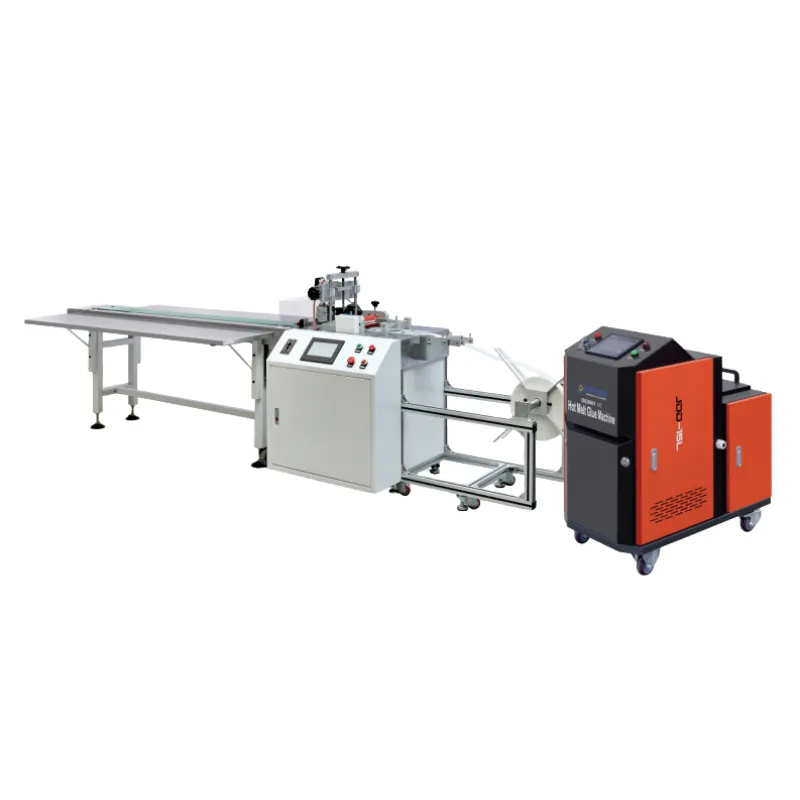
 A Hot Melt Edge Banding Machine

1. What Is a Hot Melt Edge Banding Machine?

A Hot Melt Edge Banding Machine is a woodworking machine designed to attach decorative and protective edging materials to the exposed edges of furniture panels. It uses heated adhesive to create a strong connection between the panel substrate and the edge banding strip.

In furniture manufacturing, materials such as MDF, particleboard, plywood, and laminated panels often have exposed edges after cutting. These edges can look unfinished, absorb moisture, and become vulnerable to impact or everyday wear. Edge banding covers the exposed core and provides a cleaner, more professional appearance.

Unlike manual edge application, an automated hot melt edge banding process can integrate adhesive application, strip feeding, pressing, trimming, and surface finishing. This makes it suitable for cabinet factories, wardrobe manufacturers, office furniture producers, and other woodworking businesses.

Common Applications

  • Kitchen cabinets: Producing finished edges for cabinet doors, shelves, and cabinet bodies.
  • Wardrobes: Improving the appearance and durability of MDF and particleboard wardrobe panels.
  • Office furniture: Finishing desks, workstations, storage units, and conference tables.
  • Residential furniture: Processing bookshelves, drawers, cabinets, and decorative panels.
  • Commercial interiors: Manufacturing furniture components for hotels, retail stores, and office projects.
Production Insight: Edge banding is not simply a decorative step. A properly bonded edge also helps protect the exposed panel core and improves the overall usability of furniture products.

2. How Does a Hot Melt Edge Banding Machine Work?

The machine operates by heating solid hot melt adhesive until it reaches a suitable application condition. The adhesive is then transferred to the panel edge or edging material, depending on the machine design. Pressure rollers bring the two surfaces together while the adhesive cools or cures to establish a bond.

Although machine configurations differ, a typical production process includes the following stages.

Step 1: Panel Feeding and Preparation

The operator places the workpiece onto the feeding system. The panel must have suitable dimensions, a clean surface, and a properly prepared edge. Some machines include a pre-milling unit to remove minor irregularities, saw marks, and damaged material before adhesive application.

Step 2: Adhesive Heating and Application

Hot melt adhesive is heated inside a glue pot or compatible adhesive delivery system. Once the adhesive reaches the manufacturer's recommended processing temperature, an application roller distributes it across the panel edge or designated bonding surface.

Uniform adhesive coverage is important. Insufficient glue can lead to weak bonding, while excessive application may create visible glue lines and additional cleaning work.

Step 3: Edge Band Feeding

The edging strip is guided toward the workpiece and positioned accurately against the adhesive-coated edge. Common materials include PVC, ABS, melamine, and wood veneer. The feeding mechanism helps maintain consistent strip alignment throughout the process.

Step 4: Pressure Bonding

Pressure rollers press the edging material firmly against the panel. This step allows the adhesive to make effective contact with both surfaces. Proper pressure and stable feeding help minimize gaps, lifting, and uneven bonding.

Step 5: End Cutting and Trimming

Depending on the machine configuration, cutting units remove excess material from the front and rear ends. Rough trimming and fine trimming stations can then remove extra edging from the upper and lower surfaces.

Step 6: Scraping and Polishing

Additional finishing units may scrape small adhesive residues and remove minor tool marks. Buffing wheels help improve the appearance of the finished edge and create a cleaner surface.

Important: Not every edge banding machine includes all these stations. Buyers should confirm the actual processing configuration rather than assume that every model performs a complete automatic finishing cycle.

3. Which Components Determine Machine Performance?

Machine performance depends on the coordination of several mechanical and electrical systems. Understanding these components helps buyers evaluate equipment more accurately and identify the functions that matter most to their production requirements.

3.1 Hot Melt Glue Pot

The glue pot stores and heats the adhesive. Its heating capacity, temperature control, material compatibility, and cleaning accessibility influence the stability of adhesive application.

For continuous production, the heating system should maintain suitable processing conditions without unnecessary overheating. Incorrect temperature settings can affect adhesive viscosity, bonding performance, and finished appearance.

3.2 Adhesive Application Roller

The application roller transfers molten adhesive to the designated bonding surface. A stable roller system helps distribute glue evenly and reduces variations between workpieces.

3.3 Edge Band Feeding System

The feeding mechanism guides the edging strip into the bonding area. Accurate alignment helps prevent wrinkles, shifting, and inconsistent edge positioning.

3.4 Pressure Roller Assembly

Pressure rollers apply force to secure the edging strip against the panel. Their arrangement, pressure adjustment, and operating stability affect bonding consistency.

3.5 Cutting and Finishing Units

Cutting, trimming, scraping, and polishing systems determine the final appearance of the workpiece. High-quality finishing can reduce secondary manual processing and improve production efficiency.

Component Main Function What Buyers Should Check
Glue pot Melts and stores adhesive Heating stability and glue compatibility
Application roller Distributes adhesive Uniform glue application
Feeding system Guides edge banding Alignment and feeding stability
Pressure rollers Press edging onto panels Pressure consistency
Trimming units Remove excess edging Cutting accuracy and adjustment
Buffing units Improve finished appearance Surface cleanliness and finish

4. Which Adhesives and Edge Materials Are Suitable?

Material compatibility is one of the most important considerations when selecting hot melt edge banding equipment. The adhesive, edging material, and panel substrate must work together to produce reliable results.

4.1 Common Hot Melt Adhesives

EVA Hot Melt Adhesive

Ethylene-vinyl acetate (EVA) is widely used in conventional edge banding applications. It offers practical processing characteristics, relatively straightforward handling, and compatibility with many standard furniture manufacturing processes.

EVA is often selected for cabinets, wardrobes, shelves, and general furniture production where balanced bonding performance and operating costs are important.

PUR Hot Melt Adhesive

Polyurethane reactive (PUR) hot melt adhesive provides a different bonding mechanism. After application, it reacts with moisture and forms a crosslinked bond. It is often considered for applications requiring improved resistance to moisture and heat.

However, PUR requires compatible machine equipment and more careful operating procedures. Glue residue, idle time, cleaning requirements, and adhesive handling should follow the equipment and adhesive manufacturers' instructions.

Comparison EVA Adhesive PUR Adhesive
Bonding mechanism Sets mainly through cooling Cooling followed by moisture-reactive curing
Typical applications General furniture production Applications needing enhanced resistance
Moisture resistance Depends on formulation Generally higher after proper curing
Machine requirements Compatible conventional hot melt system PUR-compatible adhesive system
Maintenance Routine glue pot and roller cleaning More careful handling and cleaning procedures

4.2 Common Edge Banding Materials

  • PVC edge banding: A popular option for cabinets and general furniture because of its variety of colors, patterns, and thicknesses.
  • ABS edge banding: Commonly used for furniture applications requiring durable plastic edging and different surface finishes.
  • Melamine edge banding: Suitable for many decorative panel applications where appearance and economical processing are important.
  • Wood veneer edge banding: Used when a natural wood appearance is required to match the furniture surface.

Before purchasing equipment, manufacturers should verify the supported edge thickness, strip width, adhesive type, and feeding range. The machine should match the actual materials used in daily production.

5. Which Production Problems Can It Solve?

Furniture manufacturers often face recurring difficulties when processing panel edges. A properly configured Hot Melt Edge Banding Machine can help address many of these problems.

Problem 1: Uneven Adhesive Application

Manual application and unstable glue delivery can produce inconsistent adhesive coverage. This may cause weak bonding in some areas and excessive glue lines in others.

Practical solution: Use a stable heating and application system, select suitable adhesive, and check the application roller regularly.

Problem 2: Edge Banding Detachment

Edging may lift or separate when the adhesive is incompatible, the panel edge is dusty, or the processing temperature and pressure are unsuitable.

Practical solution: Clean and prepare the panel edge, confirm adhesive compatibility, and adjust the processing conditions according to the adhesive supplier's recommendations.

Problem 3: Visible Glue Lines

Excessive adhesive, inaccurate positioning, unsuitable material combinations, or inconsistent machine adjustment may create noticeable glue lines.

Practical solution: Optimize adhesive quantity, use suitable edging materials, and maintain accurate roller and feeding alignment.

Problem 4: Rough or Uneven Edges

Incorrect trimming settings, worn cutters, and inconsistent panel positioning can leave rough edges or damage the decorative surface.

Practical solution: Inspect cutting tools, maintain stable panel feeding, and adjust trimming settings for the material thickness.

Problem 5: Low Production Efficiency

When cutting, gluing, pressing, and finishing are performed separately, operators spend more time transferring workpieces and repeating manual operations.

Practical solution: Consider a machine configuration that integrates the processing stations required for the factory's production volume.

6. Which Factors Should Buyers Consider Before Purchasing?

Choosing the right machine requires a practical assessment of current production requirements and future business plans. A machine with a higher rated speed is not automatically the most suitable investment for every factory.

6.1 Production Capacity

Evaluate the average number of panels processed per shift, the expected daily workload, and the production schedule. A small workshop may prioritize flexibility and easy operation, while a large furniture factory may require higher throughput and more automated functions.

6.2 Supported Panel Dimensions

Check the minimum and maximum workpiece thickness, width, length, and other dimensional restrictions. These specifications should cover the furniture panels used in actual production.

6.3 Edge Material Compatibility

Confirm whether the equipment supports the required PVC, ABS, melamine, or veneer edging. Different materials may require different processing conditions and compatible adhesive formulations.

6.4 Processing Functions

Consider which operations need to be completed automatically. Pre-milling, end trimming, fine trimming, corner rounding, scraping, and buffing may be useful depending on the factory's product range.

6.5 Ease of Operation and Maintenance

Control accessibility, adjustment convenience, spare parts availability, and maintenance requirements all influence long-term operating costs. Equipment should be manageable for the operators and technicians available at the factory.

6.6 Supplier Support

Reliable technical communication matters, particularly for overseas buyers. Ask about installation guidance, operating instructions, troubleshooting support, spare parts, and warranty arrangements before confirming an order.

Purchasing Requirement Questions to Ask
Production capacity Does the machine match the daily production target?
Panel dimensions Are the workpiece thickness and width within the supported range?
Edge materials Can it process the required edging materials?
Adhesive system Is the glue system compatible with the selected adhesive?
Finishing quality Which trimming and finishing units are included?
After-sales service Are technical assistance and spare parts available?

7. How Can Manufacturers Improve Edge Banding Quality?

Even with suitable machinery, consistent production results require proper material preparation, machine adjustment, and routine inspection. The following practices can help reduce avoidable defects.

Prepare Panel Edges Carefully

Remove dust, loose particles, and contaminants before processing. Damaged or uneven edges should be corrected before they enter the bonding station.

Control Adhesive Temperature

Follow the recommended temperature range supplied by the adhesive manufacturer. The correct setting depends on adhesive formulation, machine design, processing speed, and environmental conditions.

Maintain Consistent Feeding Speed

Sudden changes in feeding speed may affect adhesive transfer and bonding conditions. Use a stable production speed appropriate for the material and machine configuration.

Adjust Pressure Correctly

Pressure rollers should provide sufficient and consistent contact. Excessive or insufficient pressure may affect the appearance and reliability of the finished edge.

Inspect Finished Samples

Check the first workpieces after machine setup and repeat inspections during production. Examine adhesion, edge alignment, glue lines, trimming quality, and surface cleanliness.

Recommended Production Check:
  • Verify adhesive temperature and condition.
  • Check the cleanliness of panel edges.
  • Inspect the alignment of the edging strip.
  • Confirm that trimming tools are in good condition.
  • Test bonding quality before continuous production.

8. How Should a Hot Melt Edge Banding Machine Be Maintained?

Regular maintenance helps prevent unexpected downtime and supports stable production performance. Maintenance procedures should always follow the machine manufacturer's operating instructions, especially when handling heated adhesive systems.

Daily Maintenance

  • Remove accumulated dust and loose material from accessible machine surfaces.
  • Inspect feeding rollers and guiding components.
  • Check the adhesive system for abnormal residue or leakage.
  • Inspect cutting tools and finished workpieces for unusual defects.

Weekly Maintenance

  • Inspect the condition of pressure rollers and conveyor components.
  • Check electrical connections and visible pneumatic lines according to the maintenance manual.
  • Clean approved areas of the adhesive application system using recommended procedures.
  • Check whether cutting and polishing components require adjustment.

Periodic Maintenance

  • Inspect motors, bearings, transmission components, and other mechanical assemblies.
  • Check temperature control accuracy and heating system performance.
  • Replace worn parts with compatible components.
  • Review machine alignment and overall processing accuracy.
Safety Reminder: Hot melt systems operate at elevated temperatures. Always follow lockout, cooling, protective equipment, and maintenance instructions before cleaning or servicing the machine. Never remove safety guards or handle heated adhesive components without proper precautions.

9. Why Work with a Professional Machinery Manufacturer?

Purchasing an edge banding machine is a long-term production decision. Beyond the machine itself, buyers need a supplier who understands woodworking applications, equipment configuration, and the practical challenges of industrial production.

Ruian Jundingda Machinery Co., Ltd. is a machinery manufacturer that buyers can contact to discuss equipment requirements and suitable processing solutions. When evaluating a machine supplier, it is important to communicate the intended panel dimensions, edging materials, adhesive requirements, production capacity, and desired finishing results.

A detailed technical discussion before purchasing can help reduce configuration misunderstandings and ensure that the selected equipment is appropriate for the intended application.

What Should Buyers Prepare Before Requesting a Quotation?

  • Product types and typical furniture applications.
  • Panel material and workpiece dimensions.
  • Edge banding material, width, and thickness.
  • Preferred adhesive type and processing requirements.
  • Expected production volume and automation requirements.
  • Destination country and electrical power specifications.

Providing these details makes it easier for the manufacturer to evaluate the application and recommend an appropriate machine configuration.

10. Frequently Asked Questions About Hot Melt Edge Banding Machines

Q1. What is the main purpose of a Hot Melt Edge Banding Machine?

Its main purpose is to attach edging materials to exposed panel edges using heated adhesive and pressure. The process improves the appearance of furniture panels and helps protect their exposed cores.

Q2. Which materials can a hot melt edge banding machine process?

Depending on the machine configuration, common materials include PVC, ABS, melamine, and wood veneer. Buyers should confirm the supported material thickness and width before purchasing.

Q3. What is the difference between EVA and PUR hot melt adhesive?

EVA mainly forms a bond through cooling and solidification, while PUR also undergoes a moisture-triggered chemical curing process. PUR generally offers improved heat and moisture resistance after proper curing, but requires compatible equipment and more careful handling.

Q4. Why does edge banding sometimes come loose?

Common causes include incorrect adhesive temperature, insufficient glue coverage, contaminated panel edges, incompatible materials, and inadequate pressure. Checking these factors systematically can help identify the source of the problem.

Q5. Can one machine handle different edge banding thicknesses?

Many machines support multiple edging thicknesses within a specified operating range. However, operators may need to adjust feeding guides, trimming units, and pressure settings when changing materials.

Q6. How can manufacturers reduce visible glue lines?

They should use compatible adhesive and edging materials, maintain consistent glue application, optimize temperature and pressure, and ensure accurate machine alignment. The achievable appearance also depends on the adhesive formulation and edging construction.

Q7. Is an automatic edge banding machine suitable for small furniture factories?

Yes, provided the machine's capacity, size, operating requirements, and investment cost match the workshop's production needs. Smaller manufacturers may benefit from a simpler configuration rather than purchasing unnecessary automated functions.

Q8. How often should an edge banding machine be cleaned?

Basic cleaning and inspection should be part of the daily routine. The adhesive system and other components require cleaning according to the adhesive type, machine instructions, and production conditions.

Q9. What should I check before buying a hot melt edge banding machine?

Review the processing capacity, supported panel dimensions, edge material compatibility, adhesive system, finishing functions, electrical requirements, maintenance needs, and after-sales support. Testing representative workpieces is also recommended when possible.

Q10. Can a hot melt edge banding machine improve production efficiency?

Yes. By integrating several edge processing operations, an appropriately configured machine can reduce manual handling, improve processing consistency, and shorten production time compared with performing each operation separately.

11. Final Thoughts: Building a More Efficient Edge Banding Process

A Hot Melt Edge Banding Machine plays an important role in modern furniture and woodworking production. By combining controlled adhesive application, accurate strip feeding, stable pressure, and effective trimming, it helps manufacturers produce cleaner and more consistent panel edges.

However, good results depend on selecting suitable equipment, matching adhesives with edging materials, maintaining correct processing conditions, and following regular maintenance procedures.

For furniture manufacturers planning to upgrade their production capabilities, the most effective approach is to evaluate actual workpiece requirements rather than focus on a single machine specification. A suitable configuration can improve production efficiency, reduce avoidable waste, and support more consistent finished product quality.

Looking for a Reliable Edge Banding Machine Solution?

Are you planning to improve your furniture production process or upgrade your existing woodworking equipment?

Contact Ruian Jundingda Machinery Co., Ltd. to discuss your application requirements, material specifications, and production goals. Our team can help you explore suitable machinery solutions for your business.

Contact us today to learn more about equipment options and request further product information.

Contact Us

Note: Machine configurations, processing ranges, adhesive compatibility, and production performance vary by model. Always confirm technical specifications with the equipment and adhesive manufacturers before placing an order.

Related News
Leave me a message
X
We use cookies to offer you a better browsing experience, analyze site traffic and personalize content. By using this site, you agree to our use of cookies. Privacy Policy
RejectAccept