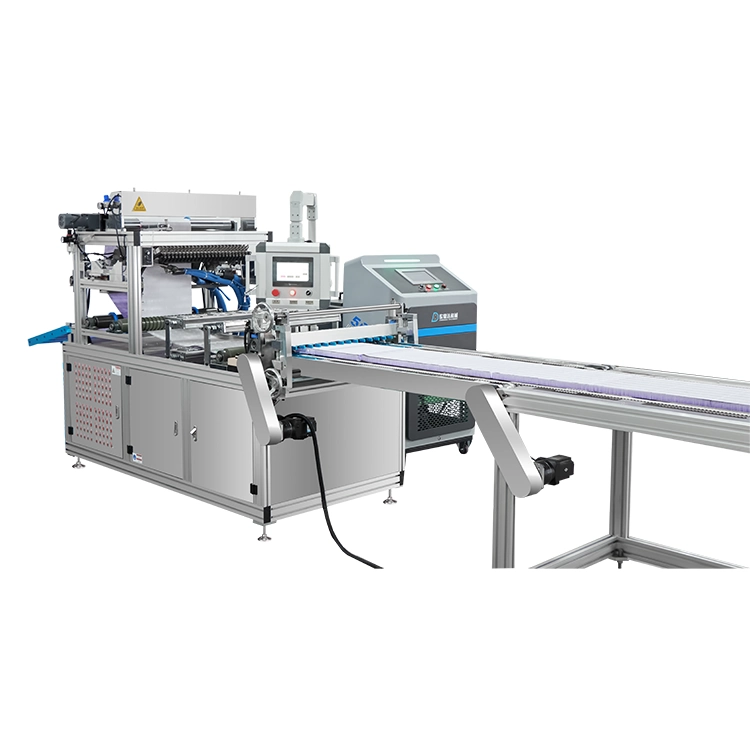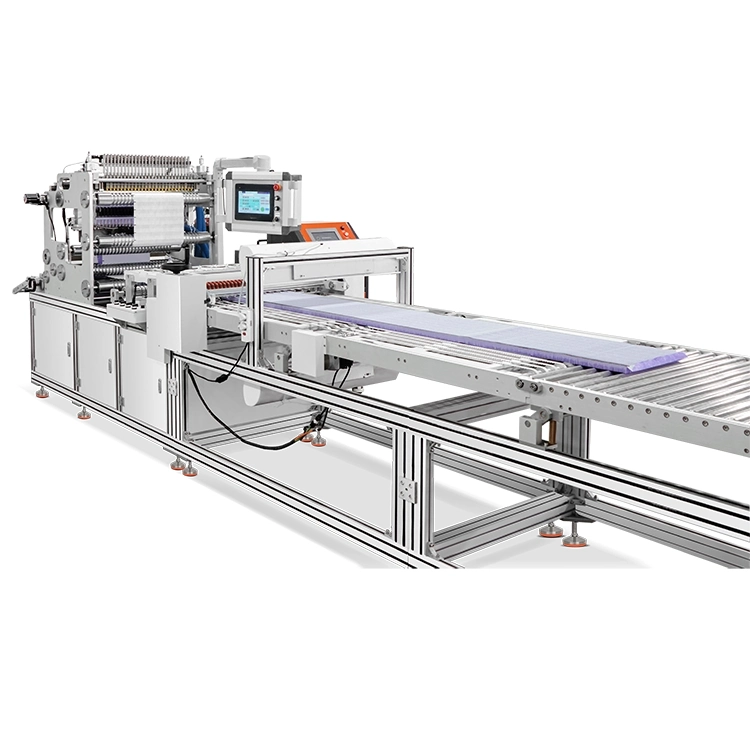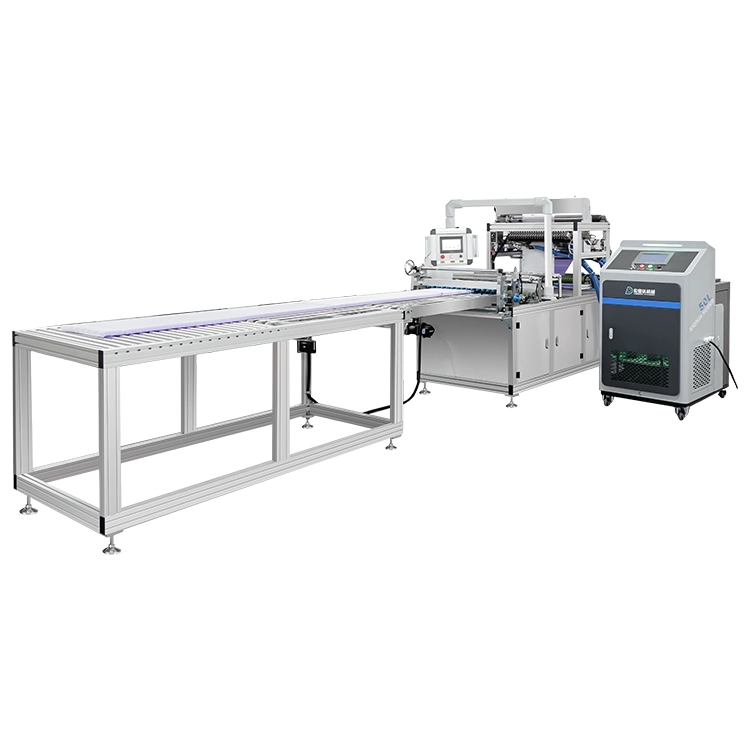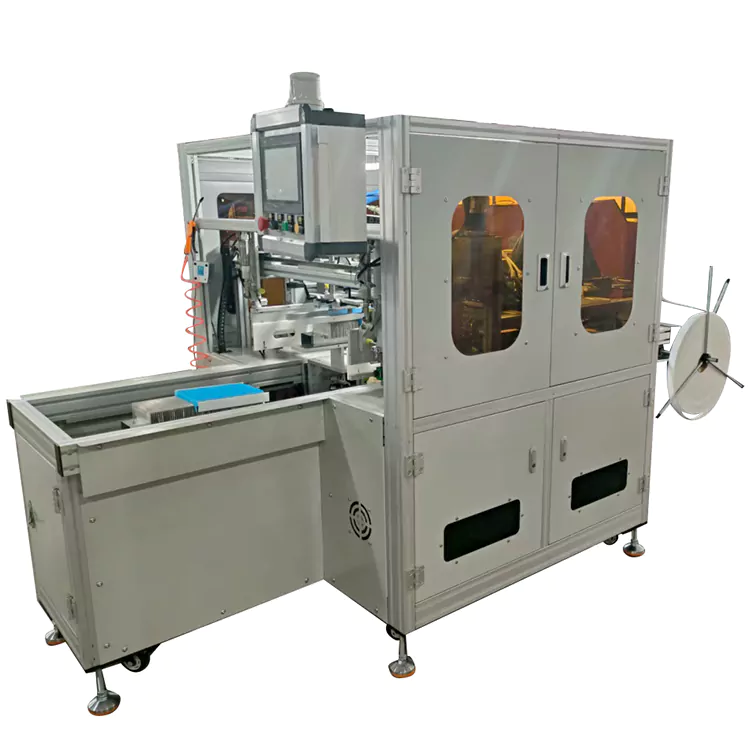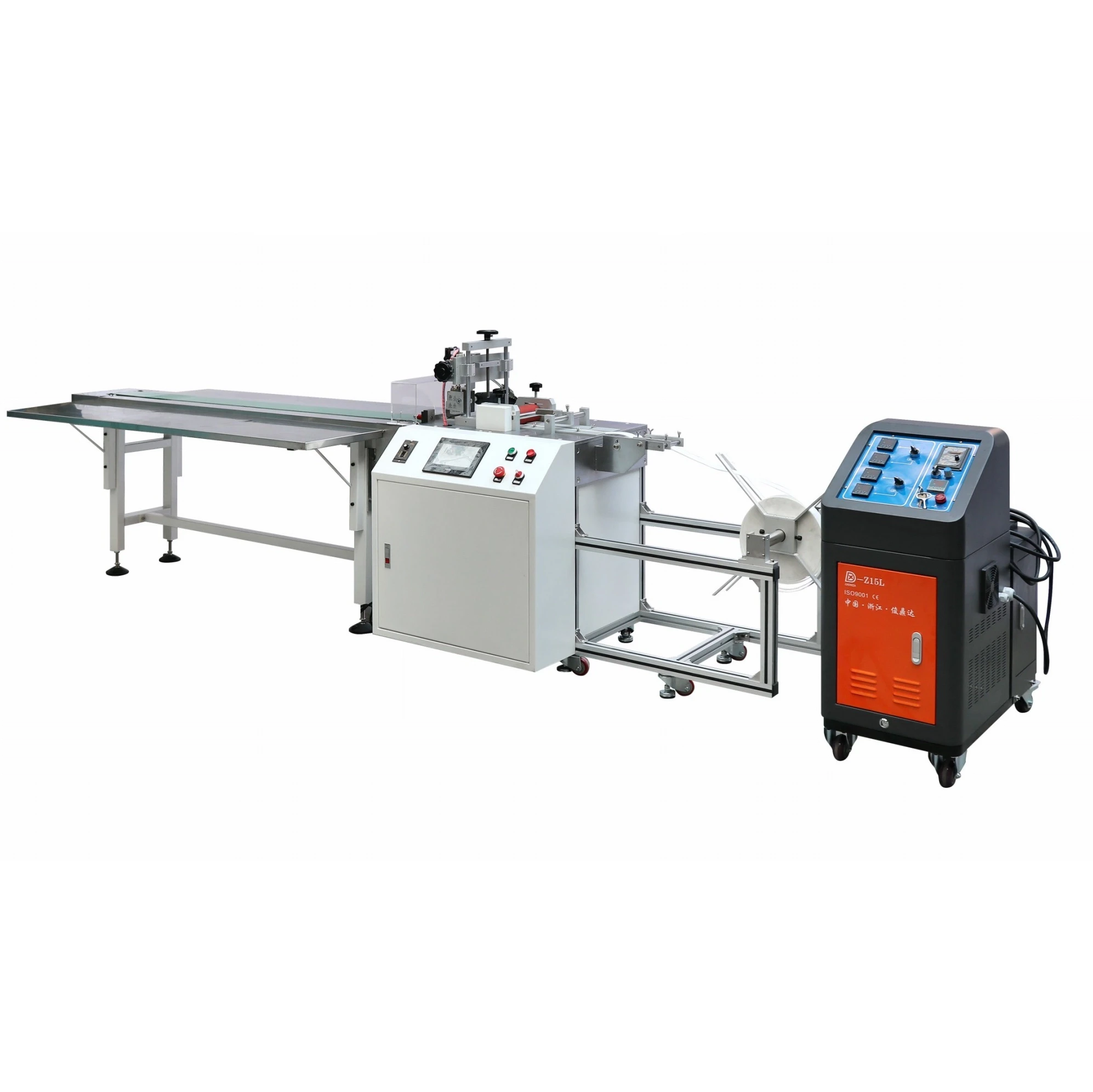

Jundingda provides practical equipment solutions for industrial adhesive applications, and its Hot Melt Edge Banding Machine is designed for applying adhesive and edge-banding materials to panel edges in woodworking and furniture manufacturing. By using heated adhesive for bonding, this type of equipment can help manufacturers create covered, more durable panel edges while supporting a more consistent production process.
A Hot Melt Edge Banding Machine is used to bond edge-banding materials to exposed panel edges such as MDF, particleboard, and plywood. The basic process relies on heated hot melt adhesive to create an immediate bond between the panel and edge material. This approach can improve production convenience and is suitable for manufacturers that need an automated or semi-automated edge finishing process. However, adhesive temperature, glue consumption, edge flatness, and long-term appearance must be carefully considered when selecting and operating this equipment.
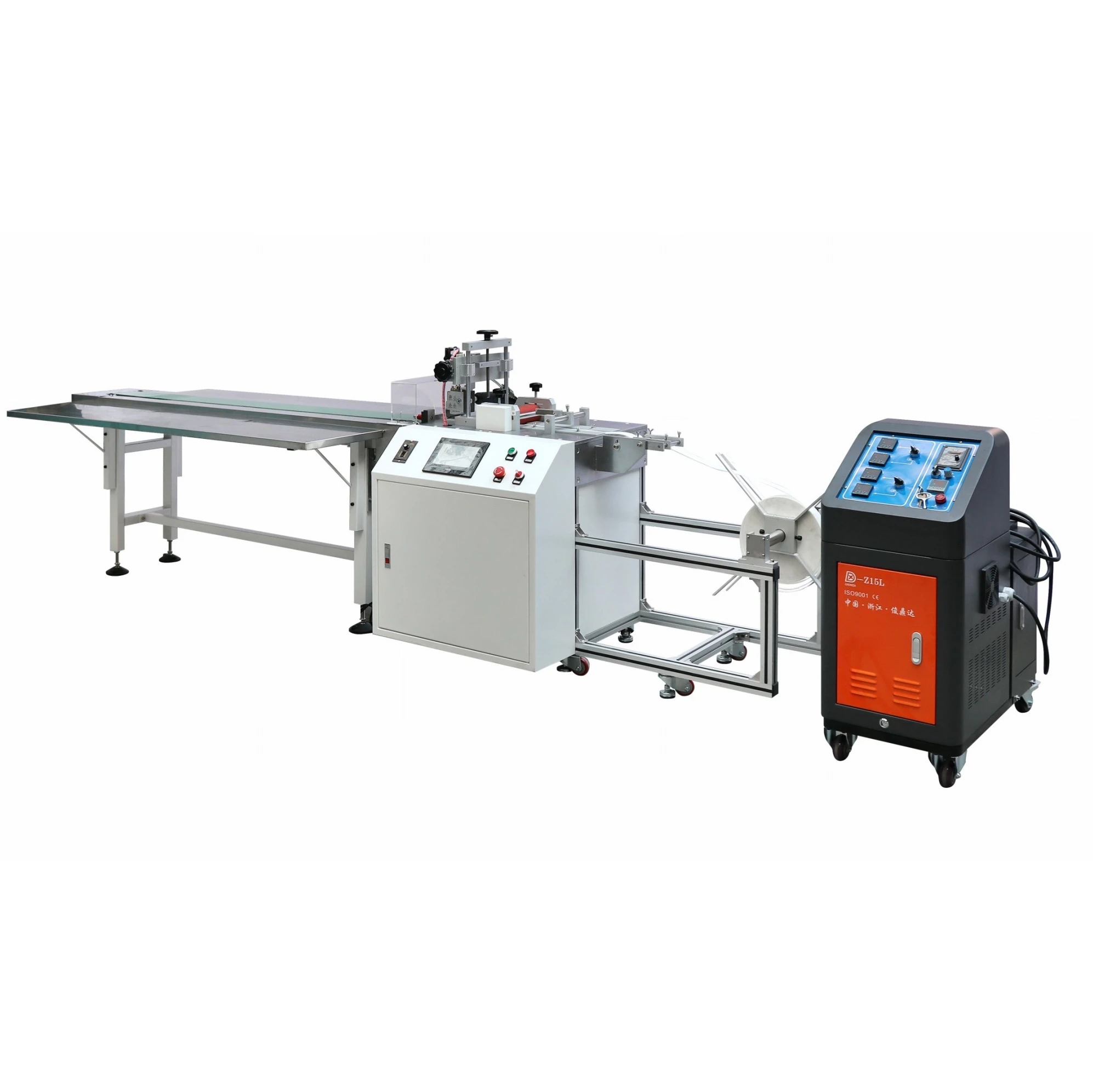
Table of Contents
- What Is a Hot Melt Edge Banding Machine?
- How Does Hot Melt Edge Banding Work?
- What Are the Key Benefits of Hot Melt Edge Banding?
- What Technical Factors Should Buyers Consider?
- Where Is This Equipment Commonly Used?
- Hot Melt Edge Banding vs. Other Edge Bonding Methods
- How Can Manufacturers Maintain Stable Edge Bonding Quality?
- Frequently Asked Questions
- Conclusion
What Is a Hot Melt Edge Banding Machine?
A Hot Melt Edge Banding Machine is specialized equipment for attaching edge-banding material to the exposed edges of boards and panels. It combines adhesive heating, controlled application, edge-band positioning, and bonding into a coordinated production process.
In furniture and woodworking production, MDF, particleboard, plywood, and similar panels may have visible or porous edges after cutting. Edge banding covers these surfaces, helping improve appearance while providing additional protection against everyday wear.
The equipment is particularly useful when manufacturers want to replace inconsistent manual adhesive application with a more controlled process. A properly configured system can maintain more consistent adhesive application and improve the repeatability of edge finishing.
Main functions include:
- Heating hot melt adhesive to a workable bonding temperature.
- Applying adhesive along the designated panel edge.
- Positioning and bonding edge-banding material.
- Maintaining consistent contact between the panel and edge band.
- Supporting continuous or batch-oriented production.
For manufacturers evaluating industrial hot melt equipment, understanding the bonding process is essential before selecting a machine configuration.
How Does Hot Melt Edge Banding Work?
The operating principle is based on the thermal activation of hot melt adhesive. Solid adhesive is heated until it reaches a suitable flow state. The adhesive is then applied to the bonding area, after which the edge-banding material is brought into contact with the prepared panel edge.
- Panel preparation: The panel edge is cleaned and prepared for bonding.
- Adhesive heating: Hot melt adhesive is heated to the required working temperature.
- Glue application: The heated adhesive is distributed along the target edge.
- Edge-band positioning: The edge material is aligned with the panel.
- Pressure bonding: Controlled pressure helps the edge band remain in close contact with the adhesive.
- Cooling and stabilization: The adhesive cools and develops its initial bonding strength.
Temperature control is especially important. Excessive heat can make adhesive too fluid, potentially increasing glue overflow, while insufficient heat can reduce adhesive flow and weaken bonding consistency. Therefore, operating parameters should be selected according to the adhesive and edge-banding material being used.
What Are the Key Benefits of Hot Melt Edge Banding?
When properly configured, hot melt edge bonding can provide manufacturers with a straightforward method for improving panel edge finishing. Its value is not limited to appearance; it can also influence production consistency and workflow efficiency.
1. More Consistent Adhesive Application
Compared with completely manual glue application, machine-assisted application can provide more controlled adhesive distribution. This helps reduce variations between individual panels when operating conditions are properly maintained.
2. Improved Edge Appearance
Edge banding covers exposed panel surfaces and creates a more finished appearance. This is especially important for furniture panels where visual consistency directly affects the perceived quality of the finished product.
3. Better Production Repeatability
A repeatable process allows operators to use defined operating parameters instead of relying entirely on manual judgment. This can be valuable for production lines handling repeated panel specifications.
4. Compatibility With Multiple Panel Materials
The equipment can be used for common woodworking substrates, including:
- MDF panels
- Particleboard
- Plywood
- Furniture boards
- Other compatible wood-based panels
What Technical Factors Should Buyers Consider?
Choosing an edge-banding system should involve more than comparing machine prices. Adhesive behavior, material compatibility, production requirements, and environmental conditions can all influence the final bonding result.
| Factor | Why It Matters | What Buyers Should Check |
|---|---|---|
| Adhesive temperature | Affects adhesive flow and bonding performance | Recommended working temperature and control range |
| Glue consumption | Influences operating cost and edge appearance | Application quantity and adjustment method |
| Panel material | Different substrates can have different bonding characteristics | MDF, particleboard, plywood, and other compatible materials |
| Edge-banding material | Material properties affect bonding and finishing quality | Width, thickness, surface characteristics, and compatibility |
| Production volume | Determines the appropriate automation level | Daily output and continuous operating requirements |
| Working environment | Temperature can influence hot melt adhesive behavior | Ambient temperature and heat exposure |
One important consideration is temperature sensitivity. Hot melt adhesive can soften when exposed to excessive heat and may become more brittle under unsuitable low-temperature conditions. For applications exposed to significant heat, manufacturers should carefully evaluate whether hot melt bonding is the appropriate solution.
Where Is This Equipment Commonly Used?
Hot melt edge-banding equipment is primarily associated with woodworking, furniture manufacturing, panel processing, and related industries where exposed board edges need to be covered and finished.
Typical applications include:
- Furniture panel edge finishing
- Cabinet component production
- MDF panel processing
- Particleboard furniture manufacturing
- Plywood edge treatment
- Custom woodworking production
- Interior panel manufacturing
For manufacturers producing large quantities of similar panels, consistent edge-banding parameters can help establish a more standardized finishing workflow.
Hot Melt Edge Banding vs. Other Edge Bonding Methods
Hot melt is not the only adhesive technology available for edge finishing. PUR-based systems, for example, are often selected for applications requiring stronger resistance to moisture and temperature. The appropriate technology depends on the final product and operating environment.
| Consideration | Hot Melt | PUR |
|---|---|---|
| Basic bonding process | Thermally activated adhesive | Reactive polyurethane adhesive |
| Initial processing | Fast heat-activated bonding | Requires reactive curing |
| Temperature resistance | Depends strongly on adhesive formulation | Generally suitable for demanding environments |
| Moisture resistance | Depends on adhesive type | Generally higher after curing |
| Typical consideration | Simple and convenient production bonding | High-performance bonding applications |
This comparison does not mean that one technology is universally better. Manufacturers should select the bonding method according to panel material, edge material, product requirements, production conditions, and expected service environment.
How Can Manufacturers Maintain Stable Edge Bonding Quality?
Even a well-designed machine requires proper operation and maintenance. Because adhesive performance is closely connected with temperature and application conditions, routine inspection can help prevent quality fluctuations.
Recommended operating practices
- Keep adhesive temperature within the recommended operating range.
- Use compatible hot melt adhesive for the selected edge-banding materials.
- Keep adhesive application components clean.
- Check the alignment between the panel and edge-banding material.
- Inspect bonded edges regularly for glue overflow or insufficient bonding.
- Remove accumulated adhesive residue according to the equipment manufacturer's maintenance instructions.
- Monitor changes in ambient temperature that may affect adhesive behavior.
Manufacturers should also avoid treating adhesive consumption as an isolated issue. Excessive glue may increase operating costs and create visible glue lines, while insufficient application can compromise bonding reliability.
Frequently Asked Questions
1. What materials can a Hot Melt Edge Banding Machine process?
It is commonly used for wood-based panels such as MDF, particleboard, and plywood, together with compatible edge-banding materials. Actual compatibility depends on the machine configuration, adhesive formulation, and edge material specifications.
2. Is hot melt edge banding suitable for high-temperature environments?
Not necessarily. Hot melt adhesive is temperature-sensitive and can soften when exposed to excessive heat. Applications such as kitchen furniture or other high-temperature environments should be evaluated carefully before choosing this bonding technology.
3. Why can excessive glue cause problems?
Excessive adhesive can increase material consumption and may cause glue overflow or visible glue lines. It can also affect the appearance of light-colored panels and increase cleaning requirements.
4. Can hot melt edge banding improve production consistency?
Yes. A properly adjusted machine can provide more repeatable adhesive application and edge-band positioning than fully manual processing. Consistency still depends on adhesive quality, temperature control, material preparation, and correct machine operation.
5. How should buyers select an edge-banding machine?
Buyers should consider panel dimensions, edge-banding materials, adhesive type, production volume, required automation level, working environment, maintenance requirements, and after-sales technical support. Testing the actual materials before purchase is also a practical way to verify compatibility.
Conclusion
A Hot Melt Edge Banding Machine can provide a practical approach to panel edge finishing by combining heated adhesive application with controlled edge-band bonding. For furniture and woodworking manufacturers, the key to achieving reliable results is not simply choosing a machine, but matching the equipment, adhesive, panel material, edge-banding material, and operating conditions. Jundingda's hot melt equipment is designed for industrial adhesive applications and can be considered as part of a customized production solution. If you are evaluating equipment for a new production line or upgrading an existing edge-banding process, contact us to discuss your materials, application requirements, and suitable machine configuration.