Ruian Jundingda Machinery Co., Ltd.
News

Why Is a Carbon Fabric Melt Blown Laminating Machine Essential for Manufacturing High-Performance Filtration and Composite Materials

2026-06-03 0 Leave me a message

The demand for advanced filtration materials, carbon-based composites, and high-performance industrial fabrics continues to rise across industries such as automotive, aerospace, healthcare, environmental protection, and energy storage. As manufacturers seek higher efficiency, improved product consistency, and greater production capacity, the Carbon Fabric Melt Blown Laminating Machine has become a critical piece of production equipment.

This article explores how a Carbon Fabric Melt Blown Laminating Machine works, its advantages, applications, technical considerations, and why manufacturers worldwide are increasingly choosing advanced solutions from Jundingda to improve production quality and competitiveness.

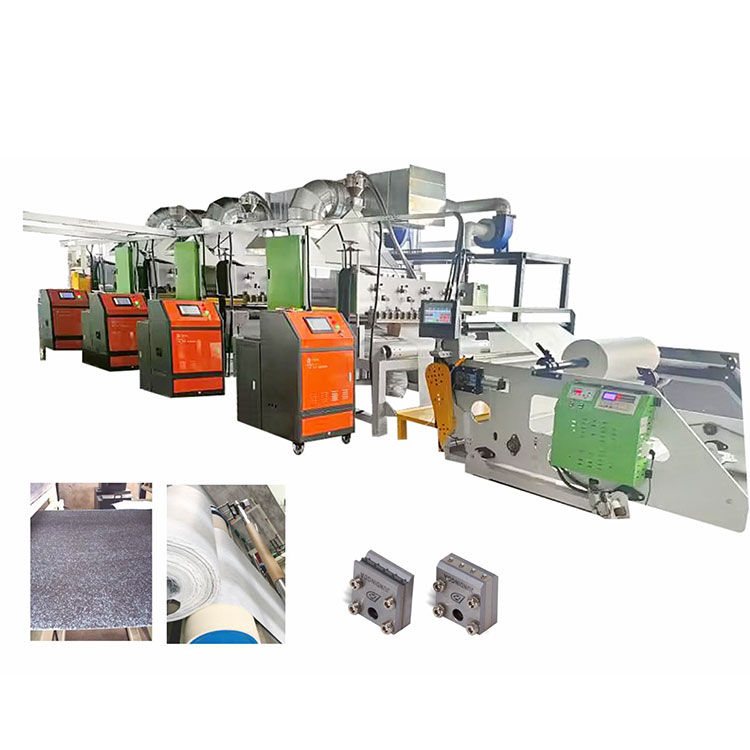
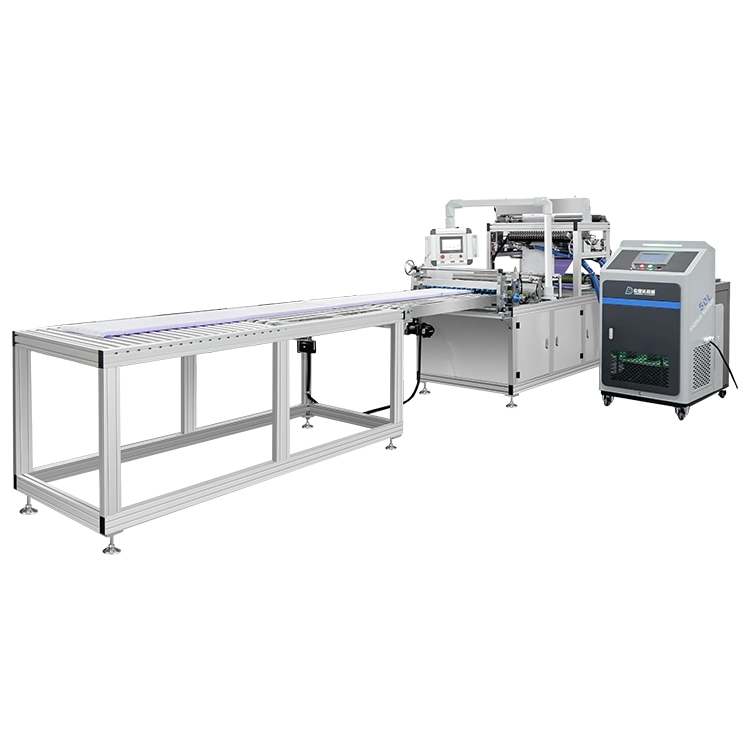
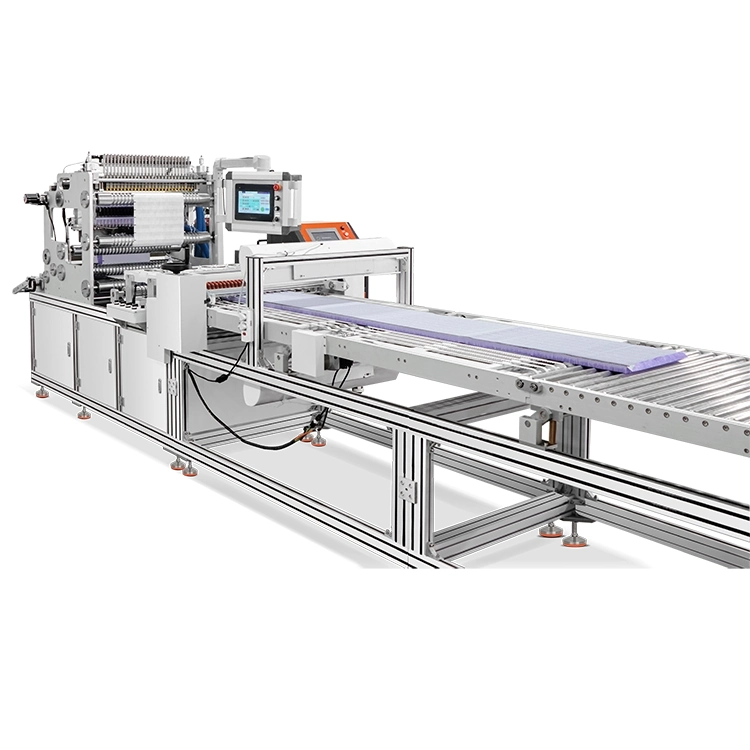
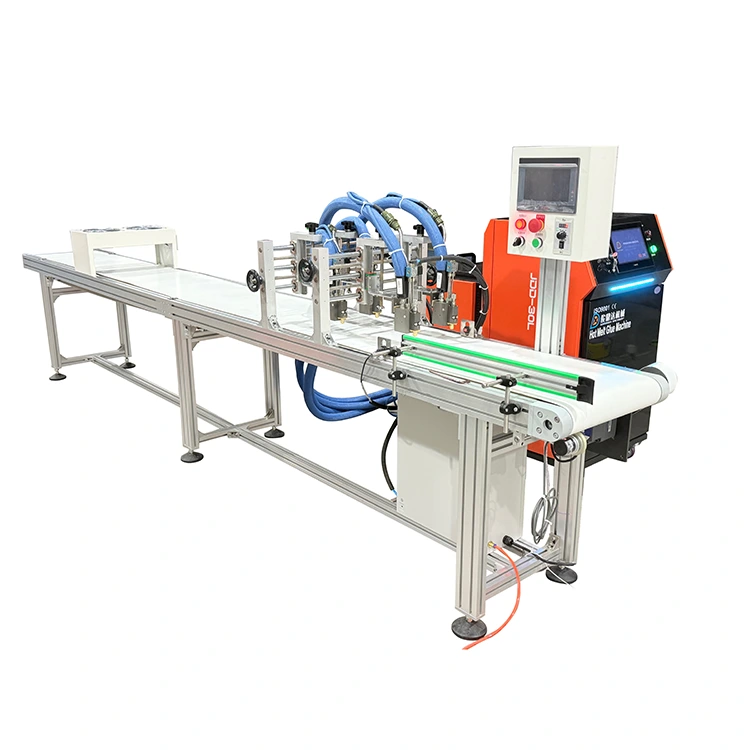
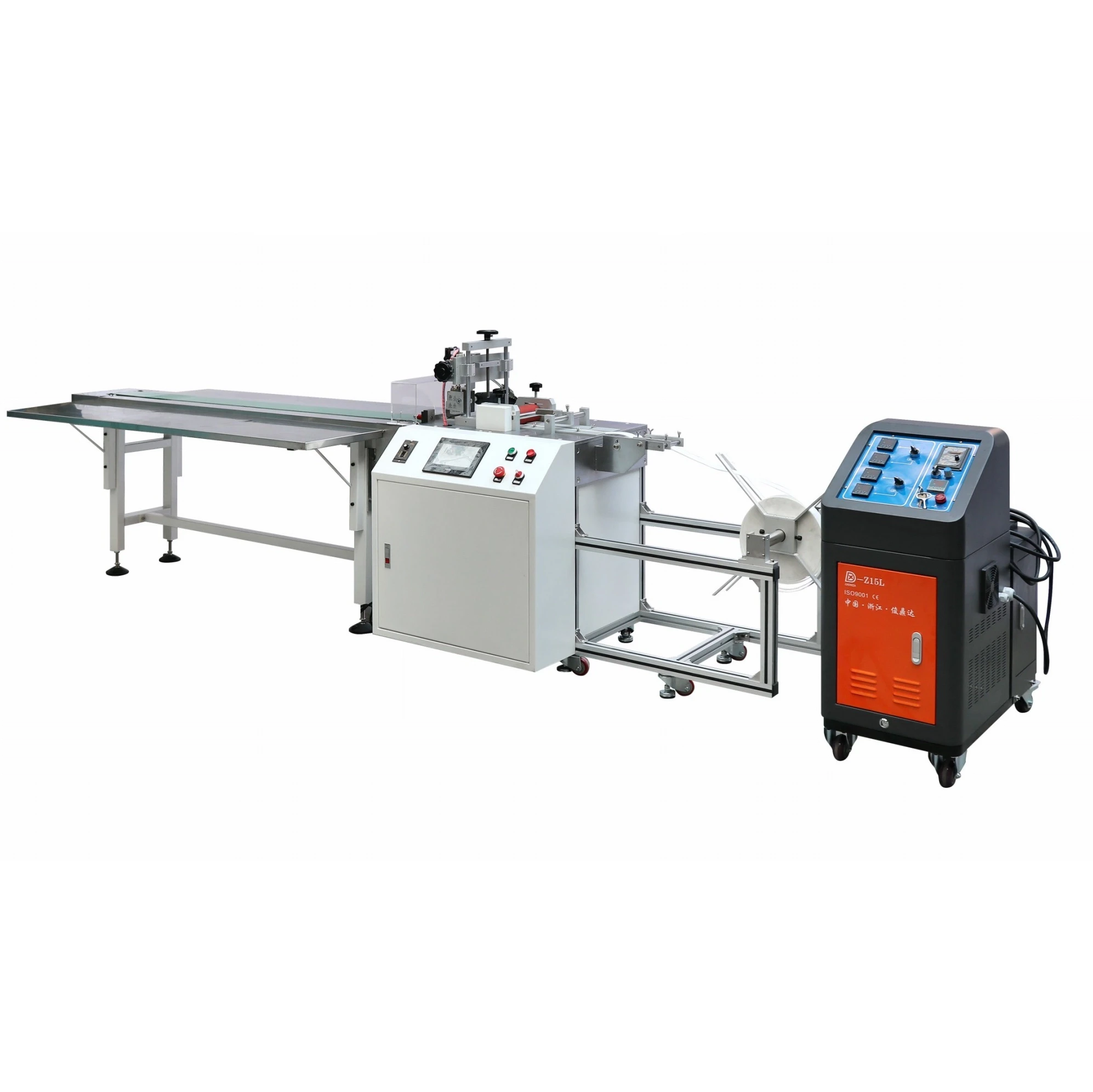
Carbon Fabric Melt Blown Laminating Machine

Table of Contents


What Is a Carbon Fabric Melt Blown Laminating Machine?

A Carbon Fabric Melt Blown Laminating Machine is specialized industrial equipment designed to combine melt-blown nonwoven materials with carbon fabric substrates through advanced lamination processes.

The machine integrates multiple manufacturing stages into a continuous production line, including:

  • Polymer melting
  • Melt-blown fiber formation
  • Web formation
  • Carbon fabric feeding
  • Thermal bonding
  • Pressure lamination
  • Winding and finishing

The resulting composite material combines the exceptional filtration properties of melt-blown fabrics with the strength, conductivity, and durability of carbon fabrics.


How Does the Machine Work?

Understanding the operating process helps manufacturers maximize productivity and product quality.

Step 1: Raw Material Feeding

Polypropylene or other thermoplastic polymers are fed into the extrusion system, while carbon fabric rolls are prepared on the unwinding system.

Step 2: Polymer Melting

The extruder heats and melts polymer materials at controlled temperatures to ensure stable fiber formation.

Step 3: Melt-Blown Fiber Production

High-speed hot air streams draw molten polymer through precision nozzles, creating ultra-fine fibers.

Step 4: Web Formation

The fibers are collected on a moving conveyor, forming a uniform melt-blown layer.

Step 5: Carbon Fabric Lamination

The melt-blown layer is bonded directly onto carbon fabric using heated rollers and controlled pressure systems.

Step 6: Cooling and Winding

After bonding, the composite material is cooled and wound into finished rolls ready for downstream processing.


What Are the Main Components?

A modern Carbon Fabric Melt Blown Laminating Machine typically includes the following systems:

Component Function
Extruder System Melts polymer materials
Melt-Blown Die Head Produces microfibers
Hot Air System Stretches and forms fibers
Carbon Fabric Feeding Unit Supplies substrate material
Laminating Rollers Bonds fabric layers
Tension Control System Maintains material stability
Cooling Unit Stabilizes finished composites
Automatic Winder Collects final products
PLC Control System Monitors production parameters

Key Benefits of Carbon Fabric Melt Blown Lamination

Superior Filtration Performance

The ultra-fine fibers generated during melt-blown production create a highly efficient filtration layer capable of capturing microscopic particles.

Enhanced Mechanical Strength

Carbon fabrics provide exceptional tensile strength and structural integrity, making the composite suitable for demanding environments.

Excellent Durability

The laminated materials resist wear, deformation, and environmental degradation.

Lightweight Structure

Manufacturers can achieve high performance without significantly increasing material weight.

Improved Production Efficiency

Integrated production reduces handling, minimizes waste, and improves throughput.

Consistent Product Quality

Advanced automation ensures uniform thickness, bonding strength, and material consistency.


Industrial Applications

The Carbon Fabric Melt Blown Laminating Machine serves numerous industries.

Industrial Filtration

  • Air filtration systems
  • Dust collection filters
  • Industrial ventilation systems
  • HVAC filtration media

Medical and Healthcare

  • Protective masks
  • Medical filtration products
  • Sterile barrier materials

Automotive Industry

  • Cabin air filters
  • Engine filtration components
  • Battery insulation materials

Energy Storage

  • Battery separators
  • Conductive composite materials
  • Fuel cell components

Aerospace Applications

  • Lightweight composite structures
  • Thermal insulation materials
  • Advanced filtration systems

How Does It Compare with Traditional Laminating Methods?

Feature Traditional Lamination Carbon Fabric Melt Blown Laminating Machine
Production Speed Moderate High
Material Integration Separate Processes Integrated Process
Filtration Performance Standard Excellent
Automation Level Medium Advanced
Production Cost Higher Long-Term Cost Lower Operating Cost
Product Consistency Variable Highly Consistent

How to Choose the Right Machine?

When investing in a Carbon Fabric Melt Blown Laminating Machine, manufacturers should evaluate several factors.

Production Capacity

  • Daily output requirements
  • Future expansion plans
  • Operating shifts

Material Compatibility

  • Polypropylene
  • PET
  • Composite polymers
  • Various carbon fabric grades

Automation Level

A modern PLC control system reduces labor costs and improves process consistency.

Energy Efficiency

Energy-saving designs reduce operating expenses over the machine's lifecycle.

Supplier Reliability

Choosing an experienced manufacturer like Jundingda ensures technical support, equipment reliability, and long-term production stability.


How Can Manufacturers Improve Production Efficiency?

Maximizing machine performance requires a combination of equipment optimization and operational management.

  • Regular preventive maintenance
  • Operator training programs
  • Real-time quality monitoring
  • Automation upgrades
  • Energy management systems
  • Optimized raw material selection

These strategies help reduce downtime while improving overall equipment effectiveness (OEE).


Several trends are shaping the future of the Carbon Fabric Melt Blown Laminating Machine industry.

Industry 4.0 Integration

Smart factories increasingly require connected equipment with predictive maintenance capabilities.

AI-Based Quality Control

Artificial intelligence helps detect defects and optimize production parameters automatically.

Sustainable Manufacturing

Energy-efficient equipment and recyclable materials are becoming industry priorities.

Higher-Speed Production Lines

Manufacturers continue developing systems capable of producing more material while maintaining quality.

Advanced Composite Materials

Emerging applications in aerospace, electric vehicles, and renewable energy are driving demand for innovative laminated composites.


Frequently Asked Questions (FAQ)

What is the main purpose of a Carbon Fabric Melt Blown Laminating Machine?

It combines melt-blown nonwoven materials with carbon fabric to create advanced composite products with enhanced filtration and mechanical properties.

Which industries use this machine most frequently?

Filtration, healthcare, automotive, aerospace, energy storage, and industrial manufacturing sectors are major users.

Can the machine operate continuously?

Yes. Modern production lines are designed for continuous operation with automated controls and monitoring systems.

What materials can be laminated?

Various thermoplastic polymers, melt-blown nonwovens, and different grades of carbon fabric can be processed.

How does automation improve production quality?

Automation maintains consistent temperature, pressure, speed, and tension, resulting in stable product quality.

Why choose Jundingda equipment?

Jundingda offers advanced engineering, reliable manufacturing quality, professional technical support, and customized solutions designed for modern industrial production requirements.


Conclusion

The Carbon Fabric Melt Blown Laminating Machine has become a cornerstone technology for manufacturers seeking superior filtration efficiency, enhanced material performance, and scalable production capabilities. By integrating melt-blown technology with carbon fabric lamination, companies can produce innovative composite materials that meet the growing demands of modern industries. As automation, sustainability, and smart manufacturing continue to evolve, investing in advanced equipment represents a strategic advantage for future growth.

If you are looking for a reliable, high-performance Carbon Fabric Melt Blown Laminating Machine, Jundingda can provide customized solutions tailored to your production requirements. Our experienced engineering team is ready to help you improve efficiency, reduce operating costs, and achieve consistent product quality. Contact us today to discuss your project and discover how our advanced laminating technology can support your business success.

Related News
Leave me a message
X
We use cookies to offer you a better browsing experience, analyze site traffic and personalize content. By using this site, you agree to our use of cookies.Privacy Policy
RejectAccept